

2. Materials
2.1 Natural Fibers
Many high - quality scripture papers are made from natural fibers. Bamboo fiber is a popular choice, especially in traditional Asian scriptures. Bamboo has the advantages of being renewable, and papers made from it are often characterized by their fine texture, durability, and relatively low cost. Mulberry bark fiber is also commonly used, especially in the production of high - end, delicate scripture papers. Papers made from mulberry bark are known for their softness, high tensile strength, and excellent ink - absorption properties, which can ensure that the text on the paper remains clear and intact over long periods.
2.2 Additives
To enhance certain properties, various additives may be incorporated into scripture paper. For example, natural dyes are used to color the paper, often in colors with religious symbolism. In Buddhism, yellow is a commonly used color as it represents purity and enlightenment. Some papers may also contain substances like mica powder, which can give the paper a subtle sheen, adding an element of solemnity and sacredness to the scriptures printed on it. Additionally, anti - mildew agents may be added to prevent the paper from deteriorating, especially in regions with high humidity, ensuring the long - term preservation of the scriptures.

3. Manufacturing Processes
3.1 Pulping
The first step in making scripture paper is pulping. When using natural fibers such as bamboo or mulberry bark, the raw materials are first cleaned thoroughly to remove any impurities. Then, they are cooked in alkaline solutions at high temperatures and pressures to break down the fiber bundles into a pulp. This process may also involve the addition of chemicals to further refine the pulp and improve its quality.
3.2 Sheet - forming
After pulping, the pulp is diluted to an appropriate consistency and then formed into sheets. This can be done through traditional hand - made methods, where skilled artisans use a bamboo screen to scoop up the pulp suspension from a vat, allowing the water to drain away, leaving a layer of fiber on the screen. In modern manufacturing, machine - made methods are more common, using paper - making machines that can produce large quantities of paper sheets with consistent quality and dimensions.
3.3 Drying and Finishing
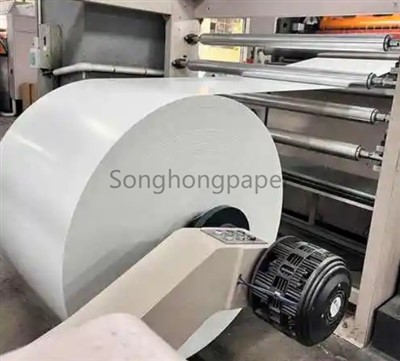
The wet paper sheets are then dried. In traditional hand - made paper production, the sheets are often air - dried on wooden boards or hung up in a well - ventilated place. In machine - made processes, heated cylinders or drying rooms are used to quickly and efficiently remove the moisture from the paper. After drying, the paper may undergo finishing processes such as calendaring to smooth the surface, making it more suitable for writing or printing. Some scripture papers may also be embossed with religious patterns or symbols during this stage to enhance their religious significance.
4. Characteristics
4.1 Durability
Scripture paper is designed to withstand the test of time. Thanks to the high - quality raw materials and careful manufacturing processes, it has good resistance to aging, tearing, and fading. This durability ensures that the religious scriptures can be passed down through generations without significant degradation, maintaining the integrity of the religious teachings.
4.2 Ink Absorption
It has excellent ink - absorption properties. Whether it is for hand - writing with traditional calligraphy brushes or for printing with modern printing techniques, the paper can absorb the ink evenly, resulting in clear and sharp text or images. This property is crucial for ensuring that the content of the scriptures is legible and aesthetically pleasing.
4.3 Texture and Feel
Scripture paper usually has a unique texture and feel. Hand - made scripture papers often have a slightly rough, tactile surface that gives a sense of authenticity and craftsmanship. Machine - made papers, on the other hand, may have a smoother surface but still maintain a certain thickness and stiffness, providing a good writing or printing experience. The texture and feel of the paper also contribute to the overall sacred and solemn atmosphere when handling religious scriptures.
5. Applications
5.1 Religious Transcription and Printing
The most common use of scripture paper is, of course, for the transcription and printing of religious scriptures. Monasteries, temples, churches, and religious institutions around the world use scripture paper to create hand - written copies of their sacred texts as a form of religious practice and devotion. At the same time, modern printing technology has also made it possible to mass - produce religious scriptures on scripture paper, making them more accessible to a wider range of believers.
5.2 Religious Art and Decoration
In addition to text, scripture paper is also used in religious art. Artists may use it to create religious paintings, calligraphy works, or other forms of art. The unique properties of the paper, such as its color, texture, and ink - absorption, can enhance the artistic expression of religious themes. Moreover, scripture paper can be used to make religious decorations, such as prayer flags in Tibetan Buddhism, which are printed with scriptures and prayers and are believed to spread positive energy and blessings when fluttering in the wind.
5.3 Cultural Heritage Preservation
Scripture paper also plays an important role in cultural heritage preservation. Ancient religious scriptures written on traditional scripture paper are valuable cultural relics. By studying the materials, manufacturing techniques, and content of these scriptures, researchers can gain insights into the religious, cultural, and historical development of different regions and periods. Modern efforts are also being made to reproduce and preserve these ancient scriptures using high - quality scripture paper, ensuring that this precious cultural heritage is not lost.
Place contact us
WhatsApp:(+86)18933510649
email:02@songhongpaper.com
website:https://www.grayboardpaper.com/
address:(Factory Building) Hengyu Road 4th, Sandong Digital Park, Huicheng District, Huizhou City, Guangdong Province
YouTube:https://www.youtube.com/@SonghongPaperCardboard
LinkedIn:https://www.linkedin.com/in/chen-songhongpaper-561022367/
Facebook:https://www.facebook.com/share/1BkX4E196x/?mibextid=wwXIfr
YouTube:https://youtube.com/@chensonghongpaper?si=ZgFz0baC-R-WRys_
X: https://x.com/songhongpa86818